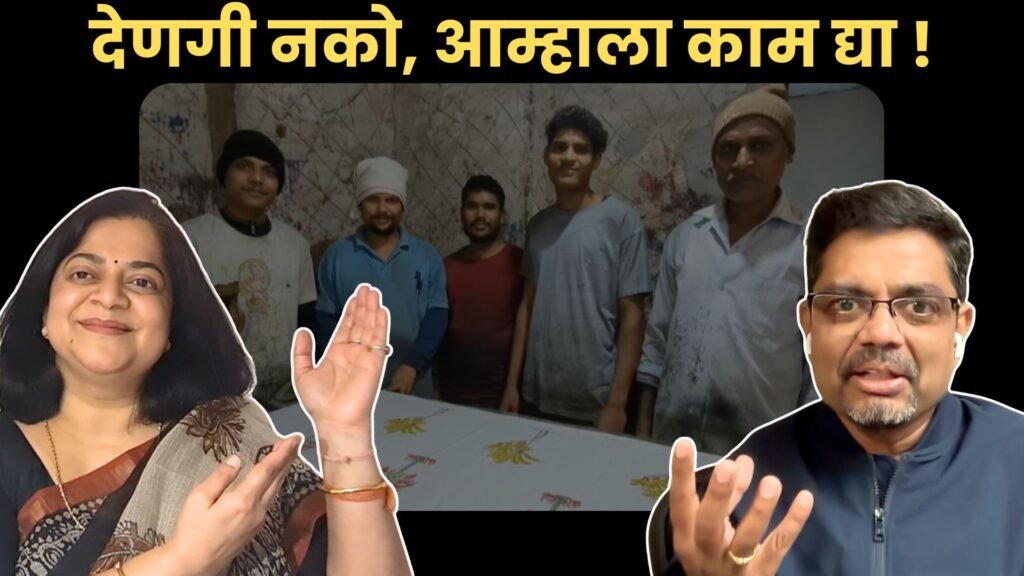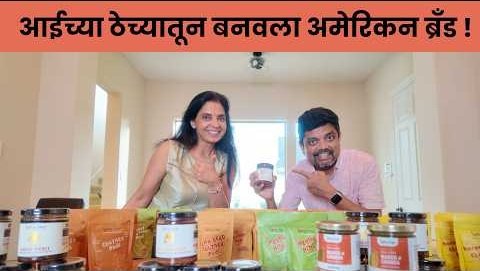
The journey of an entrepreneur is often portrayed as a path of glamour and instant success. However, as any seasoned business owner will tell you, the reality is far more nuanced, filled with persistent challenges, calculated risks, and an unwavering commitment to a vision. In a special 2 year anniversary episode of the American Bhau Podcast, we hosted a round table featuring some of the most inspiring Marathi entrepreneurs in the U.S. to discuss their journeys, the hurdles they faced, and the keys to their success.
Our guests included Niranjan and Purnima Karade of Soul Foods India, Shekhar Rikame of Tikka House, and Sagar Suslade representing Pav Bhaji Express and Paratha Rollers. Together, they shared invaluable lessons for anyone looking to bridge the gap between a steady job and the “American Dream” of business ownership.
1. Overcoming the “Perfect Plan” Paralysis
One of the most common barriers to starting a business is the fear of failure and the desire for a 100% foolproof plan. Purnima Karade suggests a more dynamic approach: once you have an idea you love, live it. She advises that if you are 50-60% prepared with the basics, knowing what to source and where to sell, you should take the leap.
In a world where economic and political landscapes change rapidly, a plan made today might be obsolete in six months. The real learning happens on the ground, through direct experience and adapting to the “currents” of the market.
2. Redefining Risk: It’s Not Just About the Money
For many in the Marathi community, the word “risk” carries a heavy weight. However, Shekhar Rikame reminds us that everything in life involves risk, from drinking a cup of tea to commuting to work.
He emphasizes that potential entrepreneurs shouldn’t let the fear of financial risk kill their ideas. Instead, treat capital as a necessary tool, like a gas stove for a restaurant, rather than an insurmountable barrier. If you approach your business with positive energy and a firm decision, success will follow.
3. The “Dirty Hands” Philosophy
Success in the food industry, or any business, requires a deep understanding of every single task. Niranjan Karade shared that during the early days of their business, he spent time washing dishes. This wasn’t just out of necessity; it taught him exactly what tools his staff needed, from better gloves to waterproof aprons, to perform their jobs effectively.
To be a successful owner, you must be willing to do the work yourself before you can effectively delegate it to others.
4. Passion vs. Trend-Following
The round table participants were unanimous: don’t start a business just because your friends are doing it. In the food industry, “Food is Passion”. If you don’t genuinely enjoy serving people and the daily grind of the industry, you will burn out. Sagar Suslade emphasizes that you must be a “people person” to thrive in this space.
The Role of Technology and Marketing
In 2025, marketing is no longer just about billboards; it’s about “Ganimiva Kawa” (guerrilla tactics) on social media. Sagar Suslade highlighted how a simple, creative social media presence can boost sales by 20-30% almost instantly.
Whether it’s using AI-powered chatbots to handle customer inquiries or leveraging platforms like Instagram to show the “behind-the-scenes” struggle, technology allows small business owners to compete with giant corporations at a fraction of the cost.
“The customer is smart. When you speak from the heart, it reaches them. They know when you are being authentic versus just selling.” — Purnima Karade
Take the First Step
The transition from a stable job to the unpredictable world of entrepreneurship is daunting, but as our guests proved, it is incredibly rewarding. Entrepreneurship isn’t just about making money; it’s a “spiritual process” of serving your community and creating something of lasting value.
Are you ready to stop dreaming and start doing? The Marathi community in the U.S. is stronger when we support each other’s ventures. Whether you have a small idea or a grand vision, remember that every 1,000-mile journey begins with a single step.